

Introduction: A New Era for Manufacturing
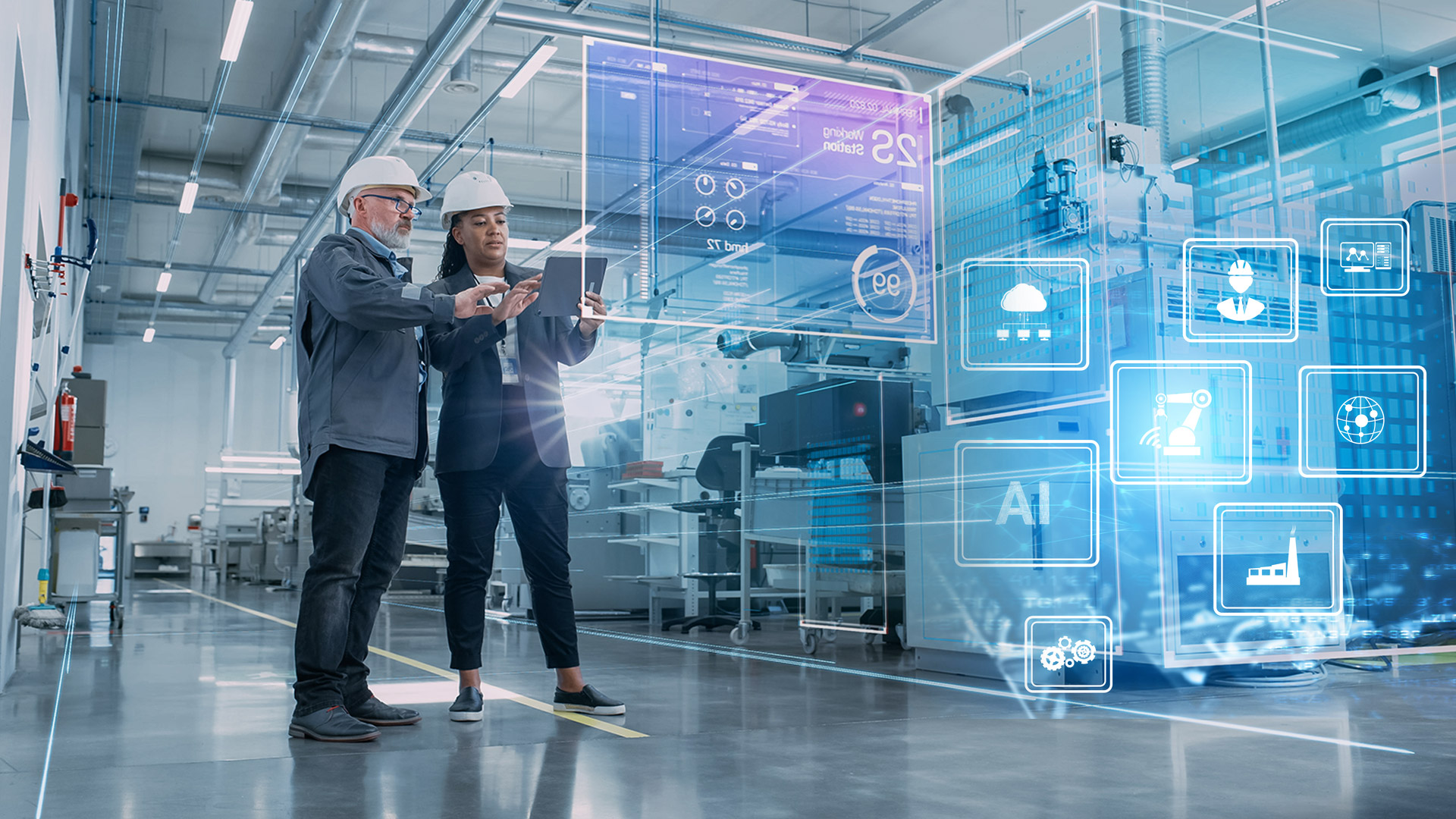
The manufacturing landscape is experiencing a seismic shift. As automation, data, and advanced technologies redefine the factory floor, the qualifications for effective leadership are evolving just as quickly. Yesterday’s operational expertise is no longer enough. Today’s manufacturing leaders must be digitally fluent, strategically agile, and deeply people-centric. This article outlines the essential skills required to lead with confidence in the modern manufacturing industry.
1. Digital and Data Fluency
The modern factory runs on information. Leaders must move beyond intuition-based management and embrace data as a core strategic asset. This requires proficiency in two key areas:
- Data-Driven Decision-Making: Effective leaders must understand how to leverage data analytics to drive tangible results. This includes using data to predict maintenance needs, optimize complex workflows, and enhance product quality. The ability to translate raw data into actionable insights is fundamental to improving efficiency and a core component of modern manufacturing management.
- Mastery of Smart Technologies: A leader does not need to be a programmer, but they must be conversant with the technologies shaping the industry. A working knowledge of additive manufacturing (3D printing), the Industrial Internet of Things (IIoT), and robotics is non-negotiable. Understanding the applications and strategic benefits of these tools is crucial for guiding teams in implementing advanced manufacturing processes.
2. Strategic Vision and Agility
In a globalized and interconnected world, a leader’s perspective must extend far beyond the factory walls. Strategic thinking is paramount for navigating market volatility and building a resilient operation.
- End-to-End Supply Chain Innovation: Leaders must think in terms of an entire system, not just a production line. This means using advanced manufacturing systems to create a more efficient, transparent, and resilient supply chain.
- Strategic Foresight: The ability to anticipate market shifts, technological advancements, and potential disruptions allows a leader to position their organization for long-term success. This forward-thinking mindset is essential for maintaining a competitive edge.
3. People-Centric Leadership
While technology is the engine of change, people remain the heart of any successful manufacturing operation. The most effective leaders excel at guiding a hybrid workforce of humans and machines.
- Cultivating a Learning Culture: The future of manufacturing management is about empowering people, not just directing them. Leaders must foster an environment of continuous improvement by providing access to relevant training and professional development. This approach helps attract and retain top talent in a competitive market.
- Fostering Collaboration: A modern leader must be an exceptional communicator who can bridge the gaps between departments, including design, production, sales, and R&D. Ensuring that all teams are aligned with the company’s strategic vision is critical for successfully implementing new technologies and processes.
The Path to Modern Manufacturing Leadership
Acquiring these skills requires a dedicated commitment to lifelong learning. The pathways to leadership are numerous, from specialized certifications to advanced degrees. For professionals aiming to excel, programs designed to build both strategic and technical skills are invaluable. For example, the IIMC Advanced Programme in Smart Manufacturing Leadership is specifically designed to provide the strategic and technical skills needed to excel.
Whether you are an aspiring manufacturing engineer or a seasoned professional, obtaining a manufacturing engineer certification or taking targeted manufacturing classes is a powerful way to stay competitive. In today’s advanced manufacturing tech landscape, continuous learning is not an option; it’s a necessity.

1. How can I address data integration issues in Industry 4.0 projects?
Start with a data contract: standardize tags, units, timestamps, and quality flags, and enforce time synchronization. Create a canonical asset model (asset → line → plant) that maps OT and enterprise systems, buffer data at the edge to handle network drops, and enrich streams with shift/asset context before they hit the cloud. Use OPC UA/MQTT for OT, REST/ODBC for enterprise apps, and one integration broker where possible. Maintain metadata and lineage, and publish “golden” KPI definitions (OEE, FPY, MTBF/MTTR, scrap %, kWh/unit) so every team calculates performance the same way.
2. As a manager without a deep technical background, where should I start?
Begin by focusing on the “why” before the “how.” Start by learning about Key Performance Indicators (KPIs) like Overall Equipment Effectiveness (OEE), downtime, and scrap rates. Understand how smart technologies can directly impact these metrics. This business-first approach will help you ask the right questions and lead your technical teams more effectively.
3. What is the most common challenge when implementing new manufacturing technology?
One of the biggest hurdles is employee resistance to change. To overcome this, lead with “What’s in it for me?” (WIIFM). Clearly communicate how the new technology will make your team’s work easier, safer, or more productive. Involve them in the selection and implementation process to create a sense of ownership.
4. How can I measure the Return on Investment (ROI) of smart factory initiatives?
Measure ROI by tracking improvements in core operational metrics. Key areas to monitor include:
- Reductions in unplanned downtime.
- Decreases in scrap and defect rates.
- Improvements in production output and OEE.
- Reductions in energy consumption per unit.
- Lower maintenance costs.
5. Is a specific certification necessary to become a leader in manufacturing?
While no single certification is mandatory, targeted credentials can significantly strengthen your profile. A manufacturing engineer certification, a digital manufacturing certificate, or a program focused on smart manufacturing leadership demonstrates a commitment to the field and validates your knowledge of current trends and technologies.