

Delhi Technological University – Advanced Programme in Renewable & Sustainable Energy Management
 (APRSEM) - Inaugural Batch
Equip yourself with the skills to lead renewable and sustainable energy initiatives in a rapidly evolving green economy.
The current batch is closed. Please enter your details here and we will update you on next batches
Programme Highlights

Duration
A transformative 6-month journey

Eligibility
Open to graduates and diploma holders with a minimum of 2 years of work experience

Delivery Mode
Blended Learning (Online + 3 Days In-Campus module at Delhi Technological University)

Live Classes
Sunday 9:30 AM – 12:30 PM IST

Executive Alumni Status:
Earn Delhi Technological University’s prestigious alumni status upon successful completion

Programme Fee
INR 1,60,000 + GST
Delhi Technological University (DTU)
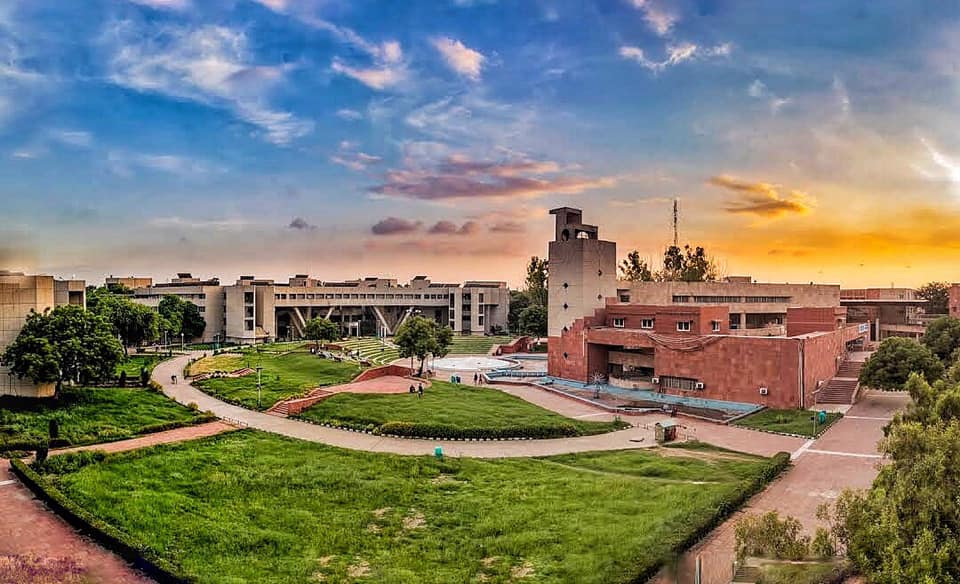
Delhi Technological University (DTU) is one of India’s leading technology universities, widely respected for academic excellence, innovation, and leadership. Established in 1941, DTU has a rich legacy of over eight decades and operates from its expansive flagship campus in Rohini, New Delhi. With a vibrant academic ecosystem of more than 16,000 students and nearly 500 distinguished faculty members across multiple disciplines, DTU offers a future-ready learning environment supported by strong research, industry collaboration, and global engagement. Known for producing accomplished professionals, innovators, and entrepreneurs, DTU continues to play a vital role in shaping talent, advancing knowledge, and contributing to national development.
Programme Overview & Objectives
Programme Overview
The rapid global shift toward renewable and sustainable energy has emerged as a critical priority for governments, industries, and organizations worldwide. In India, ambitious renewable capacity goals, net-zero commitments, and evolving ESG regulations have intensified the need for professionals with a strong grasp of energy technologies, sustainability frameworks, financial feasibility, and project leadership.
The Advanced Programme in Renewable & Sustainable Energy Management is a comprehensive executive education programme designed to develop the technical, analytical, managerial, and leadership competencies required to plan, assess, and implement renewable and sustainable energy initiatives effectively.
Delivered by distinguished faculty from Delhi Technological University through interactive live online sessions and an immersive on-campus module, the programme integrates conceptual learning with case studies, simulations, and a real-world capstone project—enabling immediate and practical workplace application.
Programme Objective

To develop a strong conceptual and technical understanding of renewable energy systems, sustainable energy technologies, and emerging clean energy solutions within the Indian and global context.

To equip participants with practical analytical and financial evaluation skills required to assess the techno-economic viability, risk, and return of renewable and sustainable energy projects.

To build competency in sustainability frameworks, ESG compliance, and regulatory landscapes, enabling informed decision-making aligned with national policies and international commitments.

To enhance project planning, execution, and leadership capabilities for managing end-to-end renewable and sustainable energy initiatives across public and private sector organizations.

To enable strategic thinking and innovation for driving organizational energy transitions, decarbonization strategies, and long-term value creation through sustainable energy management.
Course Curriculum
-
MODULE 1: Fundamentals of Renewable & Sustainable Energy
Key Topics
• Global & Indian Energy Landscape
• Transition to Net Zero
• Renewable Energy Sources: Solar, Wind, Hydro, Biomass, Geothermal
• Sustainable Energy Policies & Regulations
• Economics of Renewable EnergyLearning Outcomes
• Understand the key drivers of renewable energy adoption
• Build foundational technical and economic knowledge of renewable energy systems
• Interpret national and global energy strategies and targetsPractical Components
• Case Study: India’s Renewable Energy Targets
• Tool Session: Basic LCOE Calculation (Solar & Wind) -
Module 2: Solar Energy Systems & Design
Key Topics
• Solar PV Technology & Components
• Rooftop & Utility-Scale Solar
• System Sizing, Shadow Analysis, Performance Ratios
• Financial Modelling for Solar Projects
• Solar O&M, Remote Monitoring, and AutomationLearning Outcomes
• Design and evaluate solar PV projects
• Perform energy yield estimation
• Understand CAPEX, OPEX, ROI, and payback metricsPractical Components
• Software Session: Helioscope / PVSyst Basics
• Mini Project: 100 kW Solar System Feasibility Report -
Module 3: Wind, Hydro & Bioenergy Systems
Key Topics
• Wind Resource Assessment
• Wind Turbine Technologies
• Small Hydro Plants & Site Selection
• Biomass & Waste-to-Energy Technology
• Hybrid RE Systems (Solar + Wind + Storage)Learning Outcomes
• Evaluate wind, hydro, and biomass projects
• Interpret resource data and environmental constraints
• Integrate hybrid renewable energy solutionsPractical Components
• Software Session: WindPro / OpenWind Demo
• Case Study: Hybrid Renewable Energy Parks in India -
Module 4: Energy Storage, Green Hydrogen & Grid Integration
Key Topics
• Battery Technologies (Li-ion, Flow, Advanced Chemistries)
• Storage Economics & Use Cases
• Hydrogen Production, Electrolysers, Fuel Cells
• RE Grid Integration, Smart Grids, EV Charging InfrastructureLearning Outcomes
• Compare different storage technologies
• Understand hydrogen’s role in decarbonisation
• Address grid stability & intermittency challengesPractical Components
• Simulation: Battery Sizing for Solar+Storage
• Case Study: National Green Hydrogen Mission -
Module 5: Sustainability, ESG & Energy Efficiency
Key Topics
• ESG Frameworks (Global Reporting Initiative, BRSR, SASB)
• Corporate Sustainability Strategy
• Carbon Accounting, GHG Protocols, CDP
• Industrial Energy Efficiency & Energy Audit
• Circular Economy & Sustainable OperationsLearning Outcomes
• Build sustainability roadmaps
• Perform carbon footprint assessments
• Align projects with ESG standardsPractical Components
• Activity: Carbon Footprint Calculation for a Facility
• Case Study: ESG Reporting in Manufacturing -
Module 6: Project Management, Policy, Finance & Leadership
Key Topics
• Renewable Energy Project Lifecycle
• Risk Assessment & Regulatory Compliance
• Project Finance & PPP Models
• Energy Markets, Trading & Open Access
• Leadership in Clean Energy TransitionLearning Outcomes
• Manage end-to-end RE projects
• Understand bidding, procurement & financing
• Lead organisational sustainability initiativesPractical Components
• Tool: Financial Modelling in Excel
• Policy Simulation: Drafting RE Procurement Strategy -
Capstone Project (6 Weeks Across Programme)
Participants will complete a real-world project, such as:
• Feasibility study for a corporate solar rooftop
• Energy transition roadmap for an SME
• Carbon footprint & ESG improvement plan
• Design of a hybrid RE (solar + storage) microgrid
• Green hydrogen pilot proposal
Includes presentation to an expert panel for certification.
Programme Benefits
Develop comprehensive expertise in renewable and sustainable energy technologies, policies, and market dynamics within the Indian and global context.
Gain practical skills in evaluating the techno-economic and financial viability of renewable energy projects, including cost structures, returns, and risk assessment.
Build leadership and project management capabilities to plan, implement, and manage renewable and sustainable energy initiatives across diverse organizational settings.
Strengthen understanding of sustainability frameworks and ESG requirements, enabling effective compliance, reporting, and strategic alignment with regulatory and stakeholder expectations.
Apply learning directly to real-world scenarios through case studies, tools, and a hands-on capstone project guided by experienced faculty.
Earn a prestigious certificate from Delhi Technological University (DTU), enhancing professional credibility and career progression in the clean energy and sustainability domain.
Important Dates
Who Should Apply
• Engineers and Technologists
• Sustainability and ESG Professionals
• Energy Managers and Energy Auditors
• Project Managers and Renewable Energy Consultants
• Corporate Strategy and Operations Leaders
• Entrepreneurs and Clean Energy Professionals
Pedagogy
- Live online lectures delivered through VCNow Direct-to-Device (D2D) platform
- Case studies, quizzes, simulations, and in-class exercises
- Individual and group assignments with faculty feedback
- Mid-term and end-term evaluations
- Capstone project with final presentation
Payment of Fees
Fees
| Application Fees | INR 2,000 + GST |
| Programme Fees | INR 1,60,000 + GST |
Programme Fee and Campus Module Charges
|
Installment I
Within 7–10 days of Offer Letter
INR 55,000 + GST
|
Installment II
On or before 10 September 2026
INR 55,000 + GST
|
Installment III
On or before 10 November 2026
INR 50,000 + GST
|
Methodology, Evaluation and Certification
The programme follows a rigorous and application-oriented learning methodology that combines conceptual understanding with real-world relevance. Teaching is delivered through live faculty-led online sessions, supported by case studies, simulations, quizzes, and in-class exercises, ensuring active participant engagement. Learning is further strengthened through individual and group assignments with structured faculty feedback, promoting analytical thinking, collaboration, and practical problem-solving.
Participant performance is measured through a comprehensive evaluation framework that includes mid-term and end-term assessments, class participation, and project work, as prescribed by the course faculty. A capstone project forms an integral part of the evaluation process, requiring participants to apply programme learnings to a real-world renewable or sustainable energy context and conclude with a formal presentation. A minimum of 75% attendance is mandatory for successful programme completion.
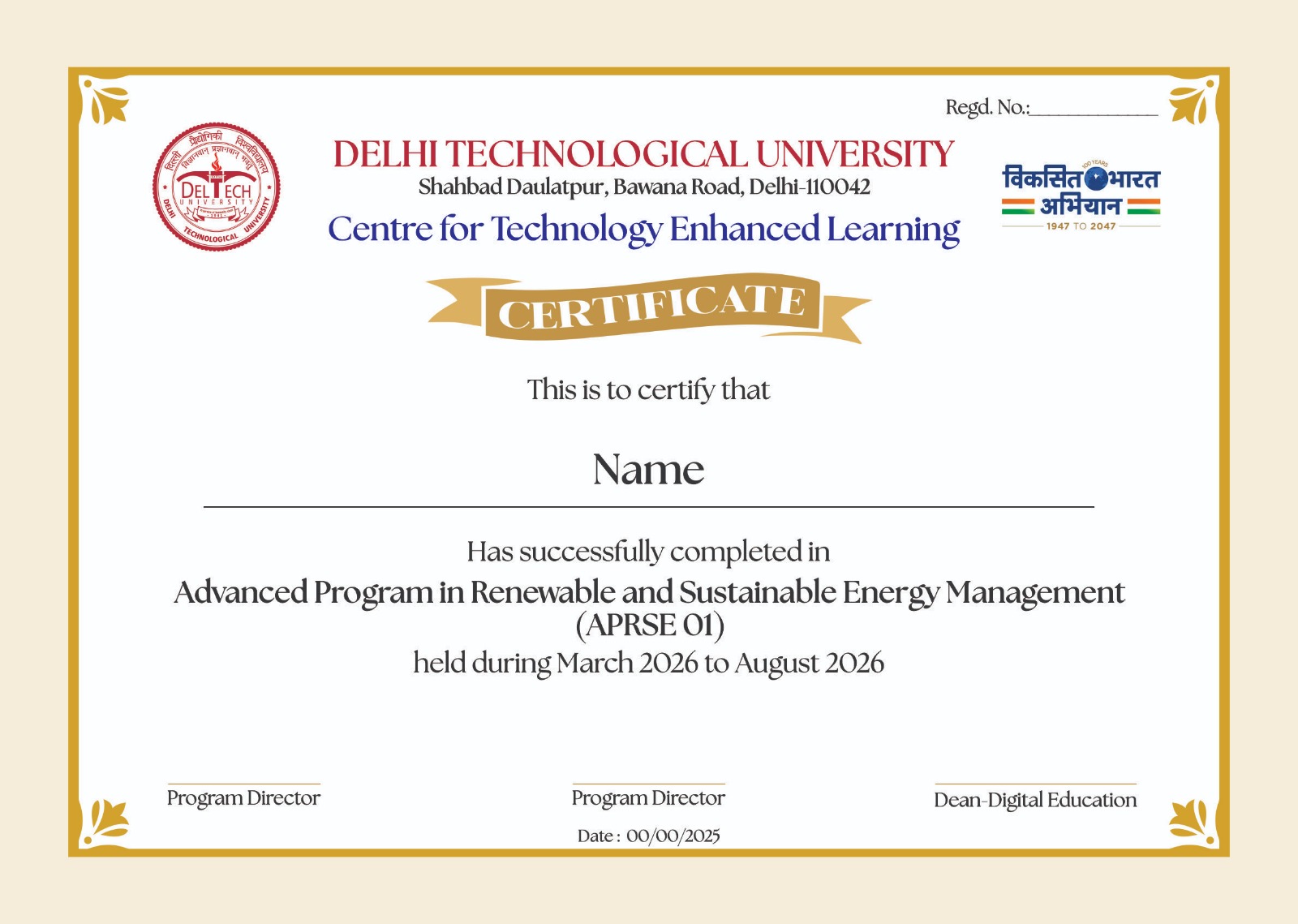
Participants who successfully complete the programme and meet the prescribed academic and attendance requirements will be awarded a Certificate of Completion from Delhi Technological University (DTU). The certificate signifies the participant’s successful completion of an advanced executive education programme and recognition of the knowledge, skills, and practical competencies acquired in the domain of renewable and sustainable energy management.
About Institute
About Delhi Technological University (DTU)
Engineering the Future. Empowering the Nation.
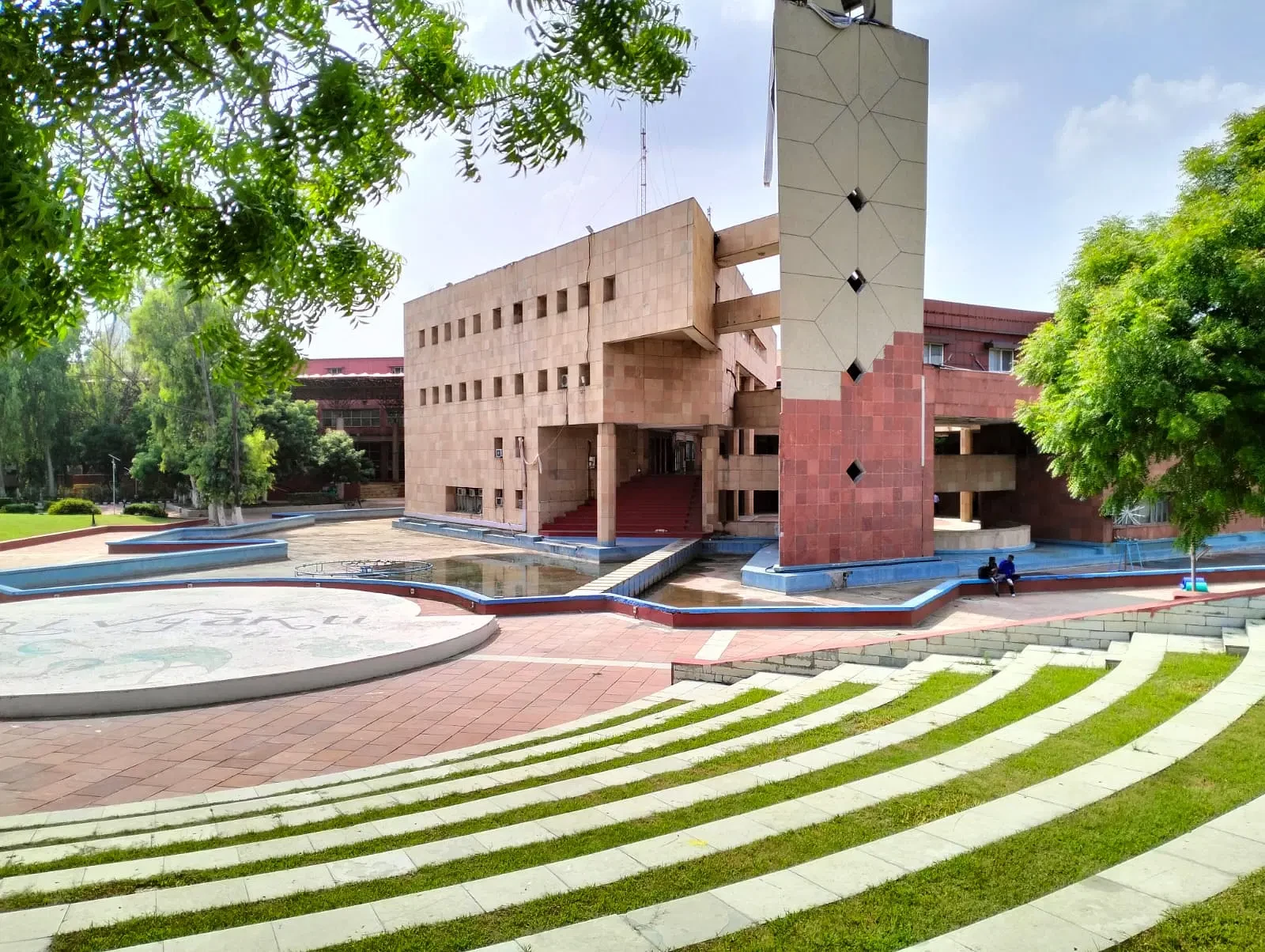
Delhi Technological University (DTU) is one of India’s most prestigious technology institutions, globally respected for academic excellence, innovation, and leadership. Guided by a bold vision to become a world-class technology university, DTU stands at the forefront of national and international knowledge networks—driving progress through education, research, and innovation.
A Legacy of Excellence
Established in 1941, DTU boasts an illustrious legacy spanning over 84 years. Its 164-acre flagship campus in Rohini, New Delhi, is a thriving hub of learning, discovery, and creativity. DTU is proud to be the founding cradle of several of India’s leading institutions, including the Faculty of Management Studies (University of Delhi), the School of Planning and Architecture (SPA), and the Departments of Chemical Engineering and Textile Technology at IIT Delhi.
A Vibrant Academic Ecosystem
DTU nurtures a diverse academic community of over 16,000 students across undergraduate, postgraduate, and doctoral programmes on two campuses. With nearly 500 distinguished faculty members across 15 departments and three interdisciplinary centres, the university offers a dynamic, future-ready learning environment supported by strong administrative and technical expertise.
Global Impact, Limitless Opportunities
Renowned for producing industry leaders, innovators, and entrepreneurs, DTU alumni are making a powerful impact across the globe. The university’s strong focus on cutting-edge research, industry collaboration, and societal relevance ensures graduates are equipped to lead in an ever-evolving world.
Shaping Tomorrow
With an unwavering commitment to quality education, breakthrough research, and meaningful societal contribution, DTU continues to shape talent, inspire innovation, and deliver solutions that empower individuals, industries, and the nation.
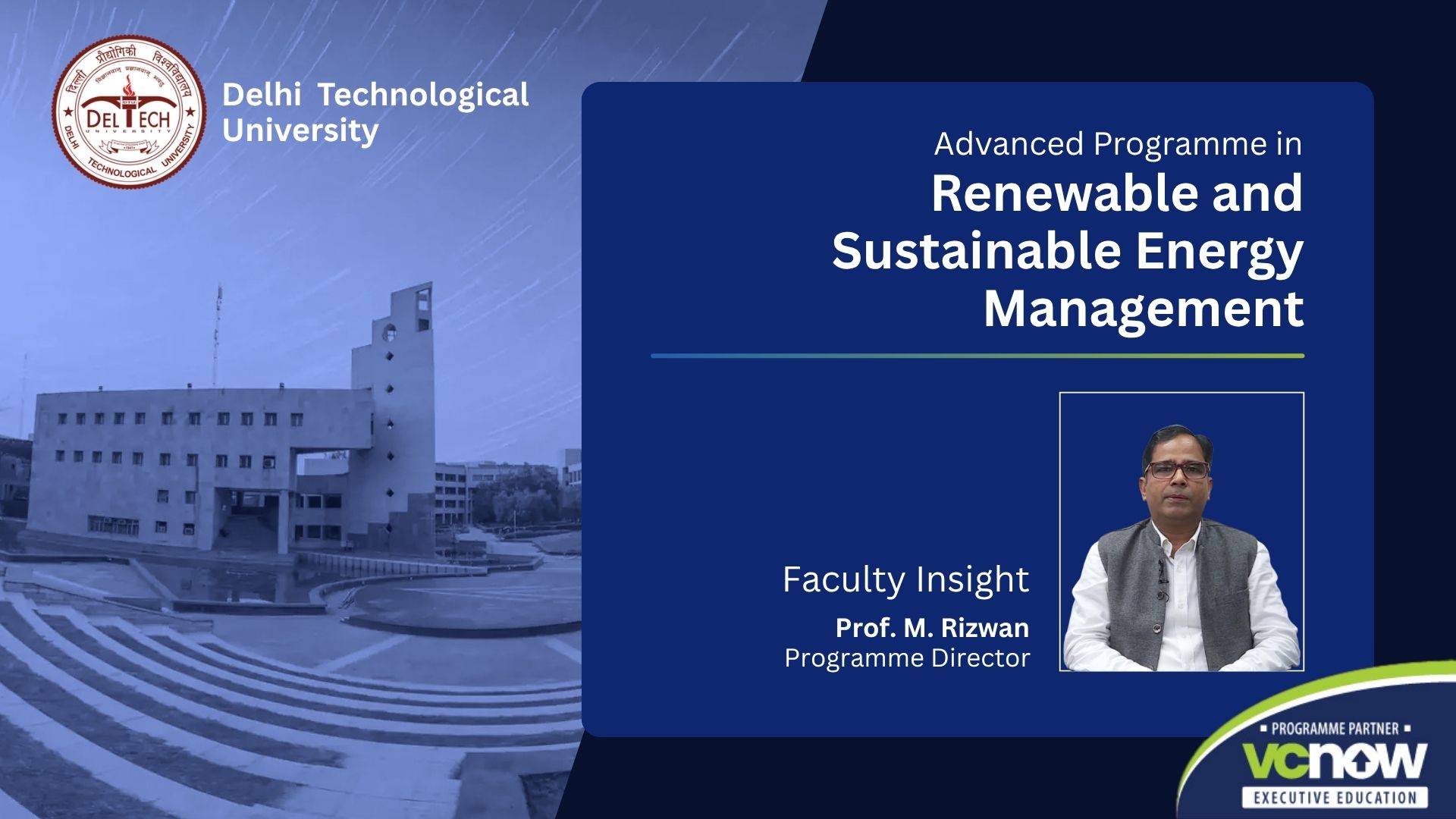
Programme Director

FAQs

What is the Advanced Programme in Renewable & Sustainable Energy Management?
The programme is an executive education programme designed to equip professionals with the technical, managerial, financial, and leadership skills required to plan, evaluate, and implement renewable and sustainable energy initiatives across sectors.
Who should apply for this programme?
The programme is ideal for engineers, technologists, sustainability and ESG professionals, energy managers, project managers, consultants, corporate leaders, and entrepreneurs seeking to build or enhance expertise in renewable and sustainable energy.
What are the eligibility criteria for admission?
Indian participants must be graduates (10+2+3) or diploma holders (10+2+3) from a recognized institution with a minimum of 2 years of work experience. International participants must hold a graduation or equivalent degree with similar experience.
What is the duration and mode of delivery of the programme?
The programme is delivered through live online interactive sessions using VCNow’s Direct-to-Device (D2D) platform, complemented by an on-campus immersion and hands-on practical components.
What key topics are covered in the programme?
The curriculum covers the global and Indian energy landscape, renewable energy technologies (solar, wind, hydro, biomass), net-zero transition, sustainability and ESG frameworks, project economics, financial modelling, and hybrid energy systems.
Does the programme include practical learning or hands-on exposure?
Yes. The programme includes case studies, software demonstrations, simulations, assignments, and a real-world capstone project, enabling participants to apply learning directly to professional scenarios.
How is participant performance evaluated?
Evaluation is based on a combination of class participation, assignments, case analysis, mid-term and end-term assessments, and a capstone project presentation, as prescribed by the faculty.
Is attendance mandatory?
Yes. Participants are required to maintain a minimum of 75% attendance to be eligible for programme completion and certification.
What certificate will participants receive upon completion?
Participants who successfully meet the academic and attendance requirements will receive a Certificate of Completion from Delhi Technological University (DTU), recognising their achievement in renewable and sustainable energy management.
How will this programme benefit my career?
The programme enhances professional credibility, strategic capability, and domain expertise, enabling participants to pursue leadership roles, project responsibilities, consulting opportunities, or entrepreneurial ventures in the rapidly growing clean energy and sustainability sector.